Governance Board Member
Chairperson
-

Chairman, Governing Board | Bangladesh Nature Foundation (BNF)
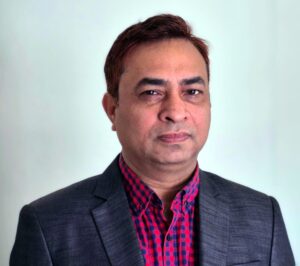
Professor Dr. Sahib Mahmud Iqbal serves as Chairman of the Governing Board of the Bangladesh Nature Foundation (BNF), providing strategic leadership, governance oversight, and institutional guidance to the Foundation. In this capacity, he contributes to organizational development, governance and accountability, institutional capacity-building, and the formulation of long-term objectives in biodiversity conservation, environmental protection, sustainable natural resource management, and community development.
His multidisciplinary academic and professional background spans public administration, public policy, economics, business administration, information systems, information technology, and higher education. This broad expertise provides a strong foundation for strengthening institutional systems, strategic management, technology-enabled administration, and evidence-based organizational decision-making.
Academic Qualifications
Professor Iqbal has an extensive multidisciplinary academic background. He completed his BSS (Honours) and MSS with First Class from the University of Dhaka in 1987. He subsequently earned a Master of Public Administration in Public Policy and a Master of Science in Computer Information Systems from the University of Maryland System in Baltimore, USA, in 1996 and 1998, respectively.
He later completed an MBA in Finance and Marketing from the Tippie College of Business, University of Iowa, in 2013, and an MA in Economics from George Mason University, Fairfax, Virginia. He also completed the coursework and comprehensive examination requirements of the Ph.D. program in Information Systems and Public Policy at George Mason University.
Academic and Teaching Experience
Professor Iqbal began his academic career as an Assistant Professor in the Department of Public Administration at the University of Chittagong. He subsequently continued his academic and teaching career in the United States and currently teaches at a community college in Des Moines, Iowa.
His teaching and academic experience encompasses public administration, public policy, information systems, and related interdisciplinary fields. His career reflects a continuing engagement with higher education, professional development, and the application of interdisciplinary knowledge to organizational and public-sector challenges.
Professional Experience
Alongside his academic career, Professor Iqbal has developed extensive professional experience in information technology, enterprise systems, data management, and consulting. He currently undertakes IT consulting activities with a multinational financial institution.
His professional experience includes data integration, enterprise information systems, database management, software development, statistical computing, business intelligence, information infrastructure, and technology-based organizational solutions. This combination of academic and industry experience enables him to approach institutional challenges from both policy and technology perspectives.
Technical Expertise
Professor Iqbal possesses broad technical expertise across enterprise information systems, data integration, software development, database management, statistical analysis, business intelligence, infrastructure, and cloud technologies.
His technical experience includes PowerCenter, SSIS, SSRS, SQL Server, SAS, Business Objects, C#, SQL, PL/SQL, T-SQL, HTML/XML, JavaScript, Python, XQuery, VB6, DB2, Oracle, MySQL, Microsoft Access, UNIX, Linux, Windows, SharePoint, AWS, and other enterprise technologies.
He also has experience with SAS/SQL, SAS Macros, SAS Enterprise Guide, and STATA, supporting statistical analysis, research, data management, and analytical applications.
Research and Scholarly Contribution
Professor Iqbal has contributed to academic research and scholarly publication, including publications in recognized journals in Bangladesh. His multidisciplinary academic training has supported scholarly and professional engagement at the intersection of public administration, public policy, economics, information systems, and technology.
His interdisciplinary perspective allows him to connect policy and administrative questions with economic analysis, information management, technological innovation, and organizational development.
Institutional Governance and Leadership
Professor Iqbal brings extensive interdisciplinary knowledge to institutional governance through his combined experience in public administration, public policy, economics, business, information systems, technology, and higher education.
His background supports organizational planning, institutional development, administrative modernization, technology-enabled management, accountability, and evidence-based decision-making. These capabilities are particularly relevant to organizations seeking to strengthen governance structures while responding to complex environmental, social, and institutional challenges.
Role at Bangladesh Nature Foundation
As Chairman of the Governing Board of the Bangladesh Nature Foundation, Professor Iqbal provides overall strategic and governance guidance to the Foundation. He contributes to institutional policy, organizational development, governance and accountability, and the strategic direction of the Foundation’s long-term activities.
His leadership supports BNF’s objectives in biodiversity conservation, environmental protection, ecosystem conservation, sustainable natural resource management, community development, and institutional strengthening.
Professional Contribution to BNF
Professor Iqbal’s combination of expertise in public policy and administration, economics, business, information systems, information technology, and higher education provide a multidisciplinary perspective to the governance and development of Bangladesh Nature Foundation.
His experience contributes to strengthening the Foundation’s institutional systems, strategic management, administrative capacity, digital and information-management practices, organizational development, and evidence-based decision-making. Through this multidisciplinary approach, he supports BNF’s broader mission of conservation, environmental stewardship, sustainable resource management, and community-oriented development.
Membership
- The National Society of Leadership and Success (NSLS)
- American Economic Association

Members
-

-
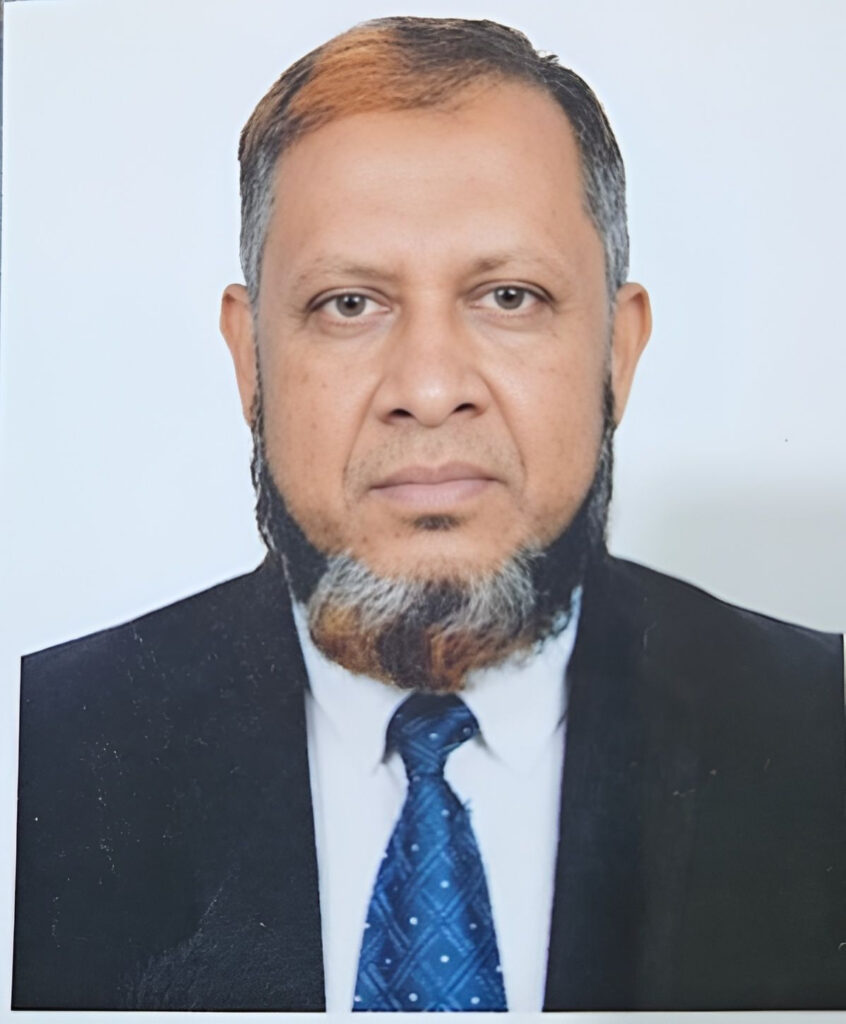
Governing Board Member | Bangladesh Nature Foundation
Commander Iftekhar Hassan is a retired senior officer of the Bangladesh Navy with extensive experience in naval command, maritime operations, administration, security, intelligence, strategic planning, and executive management. During his distinguished career, he served in a range of command and senior staff appointments within the Bangladesh Navy, Bangladesh Coast Guard, Naval Headquarters, and the Directorate General of Forces Intelligence. Following his retirement from military service, he continued his professional career in senior executive positions, including Additional Secretary and Chief Executive Officer of BGMEA, Chittagong, Project Head of the Real Estate Division of Sena Kalyan Sangstha, Chief Executive Officer of a four-star hotel under Sena Kalyan Sangstha, and Senior Executive Vice President of Sena Insurance PLC. He currently serves as a Governing Board Member of the Bangladesh Nature Foundation, contributing his broad experience in leadership, administration, organizational management, and maritime affairs to the Foundation’s governance.
Academic Qualifications
Commander Hassan holds an MSc in Military Science and a BSc. His academic background has been complemented by extensive professional education and specialized training in military command, security, intelligence, maritime affairs, law enforcement, crisis management, international maritime operations, and strategic leadership.
Professional Experience
Commander Hassan served in the Bangladesh Navy in the Executive Branch and held command responsibilities across different types of warships. He commanded three different types of warships and served as second-in-command on eight warships. His naval career also included service with the Bangladesh Coast Guard as an Area Operations Officer and Commanding Officer of a base, as well as service as Aide-de-Camp to the Director General. At Naval Headquarters, he served as Deputy Director of Naval Intelligence and Deputy Director of Signals. He also served with the Directorate General of Forces Intelligence, including as Acting Detachment Commander and G2 in the Chittagong Detachment.
After completing his naval career, Commander Hassan took on senior responsibilities in civilian organizations. His service as Additional Secretary and Chief Executive Officer of BGMEA, Chittagong, involved senior-level organizational administration and executive management. He subsequently served as Project Head of the Real Estate Division of Sena Kalyan Sangstha, Chief Executive Officer of a four-star hotel under the organization, and Senior Executive Vice President of Sena Insurance PLC. These positions provided extensive experience in corporate administration, project management, executive decision-making, institutional coordination, and organizational operations.
Research and Scientific Expertise
Commander Hassan’s professional background is centered on maritime affairs, security, administration, strategic and operational management, rather than academic or scientific research. His long experience in maritime operations and coastal environments has provided him with substantial practical understanding of maritime institutions, operational coordination, security management, and the complexities of working in coastal and marine settings.
Research Funding and Project Leadership
His professional record includes leadership of institutional and operational projects, particularly through his service as Project Head of the Real Estate Division of Sena Kalyan Sangstha and through subsequent senior executive appointments. His project-management experience encompasses organizational planning, implementation, supervision, resource coordination, and executive oversight. This background reflects his capacity to manage complex institutional responsibilities and work within structured organizational frameworks.
Scientific Contribution and Collaboration
Commander Hassan’s career has involved extensive coordination across military, maritime, government, intelligence, corporate, and international professional environments. His international professional training and participation in maritime, security, law-enforcement, crisis-management, and United Nations-related programmes have provided him with broad exposure to institutional cooperation and international operational practices.
Teaching, Mentorship and Capacity Building
His extensive command and executive experience has involved leadership, supervision, personnel management, operational coordination, and professional development within highly structured organizations. Through these responsibilities, he has developed substantial experience in guiding personnel, maintaining organizational discipline, coordinating teams, and managing responsibilities in demanding operational environments.
Leadership and Institutional Service
Commander Hassan has a broad record of leadership extending from naval command and maritime operations to senior civilian administration and executive management. His military service included command of warships, senior operational appointments, intelligence and communications responsibilities, and Coast Guard assignments. His subsequent civilian career added substantial experience in organisational administration, project management, corporate leadership, and executive decision-making. This combination of military and civilian leadership experience represents a significant professional dimension of his service.
Role at Bangladesh Nature Foundation
As a Governing Board Member of the Bangladesh Nature Foundation (BNF), Commander Iftekhar Hassan contributes his extensive experience in organizational leadership, administration, strategic planning, maritime operations, security, logistics, and risk management to support the Foundation’s governance and programme implementation. His professional background strengthens BNF’s capacity to plan and coordinate field-based conservation activities, particularly those involving coastal and maritime environments, community engagement, logistics, operational safety, and institutional coordination. He also supports BNF through strategic guidance on administrative systems, project implementation, resource management, organizational discipline, risk assessment, and collaboration with relevant governmental, maritime, community, and development stakeholders, thereby contributing to the Foundation’s institutional effectiveness and sustainable programme delivery.
Professional Contribution to BNF
As a Governing Board Member of the Bangladesh Nature Foundation, Commander Hassan brings senior-level experience in leadership, organizational administration, maritime affairs, strategic planning, and executive management. His contribution to BNF is primarily through participation in institutional governance and the application of his extensive professional experience to organisational decision-making, strategic direction, and overall institutional development. His background in maritime and coastal operations also provides an additional perspective within the multidisciplinary composition of the BNF Governing Board.
Professional Recognition
Commander Hassan’s professional career is distinguished by extensive command and senior responsibilities in the Bangladesh Navy, Bangladesh Coast Guard, Naval Headquarters, and the Directorate General of Forces Intelligence, followed by senior executive positions in prominent civilian organizations. His completion of specialized training and professional courses in Bangladesh and abroad in areas including maritime security and safety, law enforcement, crisis management, international maritime affairs, military observation, and strategic operations further reflects the breadth of his professional experience.
-
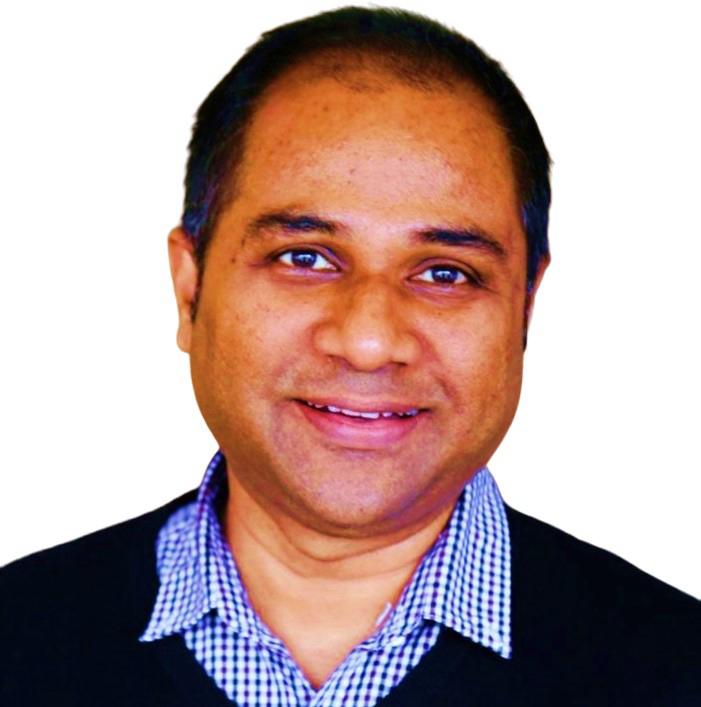
Governing Board Member | Bangladesh Nature Foundation
Dr. Majbaul Alam is a renewable energy and energy-access specialist with extensive experience in sustainable energy systems, climate-resilient development, rural electrification, and community-oriented energy solutions. He serves as a Senior Fellow in the Energy for Development (e4D) programme within the Energy & Climate Change Division at the University of Southampton, UK. His professional work focuses on solar photovoltaic mini-grids, clean cooking, productive use of electricity, off-grid electrification, and energy provision in displacement settings across East Africa and South and South-East Asia. His expertise provides valuable technical and strategic perspectives for the Bangladesh Nature Foundation, particularly in areas connecting environmental sustainability, climate action, clean energy, community resilience, and sustainable development.
Academic Qualifications
Dr. Majbaul Alam holds a PhD in Renewable Energy Technology from De Montfort University, UK, where his doctoral research focused on mini-grids for off-grid electrification. He also holds an MSc in International Marketing Management from the University of East London, UK, and BSc and MSc degrees in Marine Sciences from the University of Chittagong, Bangladesh. His interdisciplinary academic background combines marine and environmental sciences with renewable energy technology, sustainable development, and energy management.
Professional Experience
Dr. Majbaul Alam has served as Senior Fellow in the Energy for Development programme at the University of Southampton since 2017, where he leads and contributes to applied research on renewable energy, energy access, and climate-related development challenges. His earlier professional experience includes consultancy with the Asian Development Bank on refugee electrification in Bangladesh, energy consultancy with GEIA in the UK, and doctoral research under the OASYS South Asia programme at De Montfort University. Through these roles, he has developed substantial experience in research leadership, technical consultancy, field-based assessment, stakeholder engagement, and implementation of sustainable energy initiatives.
Renewable Energy and Energy Access Expertise
His core professional expertise includes solar PV mini-grid design, techno-economic and financial analysis, off-grid electrification, renewable energy financing and business models, clean cooking, productive use of electricity, energy access in refugee and displacement settings, energy policy, institutional frameworks, and public-private partnership models. He also has extensive experience in field surveys, socio-economic and quantitative data analysis, capacity building, stakeholder partnerships, research leadership, proposal development, and technical consultancy.
Research and Project Leadership
Dr. Majbaul Alam has co-led and delivered research projects supported by major research and development programmes, including EPSRC-funded initiatives. His project leadership has included work on strengthening mini-grid networks in Kenya and Uganda, rural electrification, productive uses of electricity, clean cooking, low-carbon technologies in social housing, refugee energy access, commercial rooftop solar PV, and PV-battery and hydrogen fuel-cell mini-grids. His work has involved engagement with energy ministries, rural electrification agencies, utilities, development banks, UN agencies, community cooperatives, and other development stakeholders.
International Research and Capacity Building
Dr. Majbaul Alam has extensive international experience in renewable energy research and capacity development. He has undertaken field studies and technical assessments in countries including Kenya, Uganda, Rwanda, and the Philippines, as well as in Bangladesh and other South and South-East Asian contexts. He designed and delivered technical training for researchers at San Carlos University in the Philippines, covering mini-grid modelling and design, field surveys, energy monitoring, productive uses of electricity, and clean cooking integration. His international engagement has strengthened collaboration between academic institutions, development organizations, government agencies, utilities, and local communities.
Climate Change and Sustainable Development
His professional work directly addresses several dimensions of climate-resilient and sustainable development, including renewable energy transition, reduction of dependence on fossil-fuel-based electricity generation, clean cooking, sustainable rural electrification, energy access for vulnerable communities, and low-carbon technologies. His research and project activities demonstrate an emphasis on practical, policy-relevant, and community-oriented approaches to addressing energy and climate challenges.
Teaching, Research Supervision and Knowledge Development
Dr. Majbaul Alam contributes to postgraduate education through teaching on the MSc Engineering in Sustainability programme at the University of Southampton. He supervises MSc research projects and dissertations as well as PhD research in renewable energy systems, energy access, solar PV, mini-grids, and clean energy transitions. His academic activities also include research capacity development, technical training, research supervision, and dissemination of knowledge through international conferences and professional forums.
Scientific and Professional Contributions
Dr. Majbaul Alam has contributed to scientific and professional literature on renewable energy, rural electrification, solar PV, decentralized energy systems, and sustainable development. His publications include research on decentralized renewable hybrid mini-grids for sustainable electrification of off-grid coastal areas of Bangladesh, willingness to pay for decentralized renewable hybrid mini-grids, pathways to universal electricity access for rural communities in Africa, and the application of rooftop solar PV to support energy demand and national energy targets.
International Engagement and Professional Recognition
Dr. Majbaul Alam has contributed as a keynote, plenary, invited, and conference speaker at national and international scientific and professional events. His engagements include the Sustainable Energy Ecosystem International Conference in Cebu, the International Conference on Renewable Energy in Paris, the Africa Mini Grid Summit, the International Conference on Sustainable Energy Technologies, and other international forums addressing renewable energy and sustainable development. He was also an invited speaker at Taiwan Agri-Tech Week 2026 and the International Agricultural Green Energy Forum in Taipei.
Role at Bangladesh Nature Foundation
As a Governing Board Member of the Bangladesh Nature Foundation, Dr. Majbaul Alam contributes multidisciplinary expertise in renewable energy, climate change, sustainable development, environmental sustainability, and community resilience. His experience can support the Foundation in integrating clean and renewable energy solutions into environmental conservation and community development initiatives, particularly where sustainable energy access can contribute to livelihood improvement, climate resilience, and reduced environmental pressure.
Professional Contribution to BNF
Dr. Majbaul Alam’s experience in applied research, international development projects, government and institutional engagement, community-oriented energy systems, and capacity building provides valuable support to the Bangladesh Nature Foundation’s broader objectives. His expertise can contribute to the development of environmentally sustainable projects, climate-resilient community initiatives, renewable-energy-based solutions, technical partnerships, research collaborations, and evidence-based approaches to sustainable development. His interdisciplinary background also provides an important link between environmental conservation, technological innovation, energy access, and community well-being.
-

Governing Board Member | Bangladesh Nature Foundation
Professor Aysha Akhtar is a marine science and fisheries academic with extensive professional experience in marine ecology, fisheries, aquaculture, coastal resource management, environmental management, and community-oriented development. She currently serves as Professor at the Institute of Marine Sciences, Faculty of Marine Sciences and Fisheries, University of Chittagong, where she has developed a long-standing academic and research career. Her professional experience also includes engagement with national NGO programmes and international coastal management initiatives, providing her with a multidisciplinary perspective on marine resources, coastal communities, sustainable livelihoods, biodiversity conservation, and environmental management. Her expertise and experience contribute to the Bangladesh Nature Foundation’s institutional efforts in nature conservation, sustainable management of aquatic and coastal resources, research, and community-focused environmental initiatives.
Academic Qualifications
Professor Aysha Akhtar holds a PhD in Marine Science from the University of Chittagong, with her doctoral research focusing on the production of silages from animal wastes and their utilization in formulating diets for Nile tilapia. She holds MSc degrees in Marine Science from the University of Chittagong and in Aquaculture and Aquatic Resources Management from the Asian Institute of Technology, Thailand. She also holds a BSc (Honours) degree in Marine Science from the University of Chittagong. Her academic training has provided a broad foundation in marine science, fisheries, aquaculture, aquatic resource management, environmental management, and sustainable coastal resource utilization.
Professional Experience
Professor Aysha Akhtar has served at the Institute of Marine Sciences and Fisheries, University of Chittagong, in successive academic positions, including Professor, Associate Professor, Assistant Professor, and Lecturer. She has also worked as Senior Program Officer in the Policy Advocacy Department of CODEC (Community Development Centre), a national NGO working for the socio-political and economic empowerment of coastal communities. Earlier in her career, she served as a Project Researcher under the Integrated Tropical Coastal Zone Management Program at the Asian Institute of Technology, Thailand. This combination of academic, research, NGO, policy, and coastal resource management experience has provided her with substantial practical and institutional knowledge relevant to environmental and community-based development.
Teaching and Academic Contributions
Professor Aysha Akhtar has extensive teaching experience in marine science, fisheries, aquaculture, environmental management, and sustainable resource utilization. Her undergraduate teaching has included Ichthyology, Biochemistry and Physiology, Fisheries Management, Sustainable Livelihood Approaches, Coastal and Marine Botany, Seafood Processing Technology, Aquaculture, Fish Breeding and Genetics, and Fish and Shellfish Nutrition. At postgraduate level, she has taught Fisheries Biology, Environmental Pollution and Management, Oil and Pesticide Pollution, Environmental Technology, Environmental Management for Sustainable Aquaculture Development, Aquaculture Nutrition, and Fisheries Post-Harvest Technology.
Research and Scientific Contributions
Professor Aysha Akhtar has conducted research covering marine and coastal ecosystems, fisheries communities, aquatic biodiversity, benthic communities, zooplankton, phytoplankton, aquatic macrophytes, environmental pollution, climate change, sustainable aquaculture, fisheries livelihoods, and utilization of fisheries and animal by-products. Her research has included investigations of coastal and estuarine ecosystems in Bangladesh, assessment of fisheries and aquatic communities, environmental quality assessment, sustainable aquaculture feed development, coastal livelihoods, and the relationship between environmental conditions and aquatic biological communities.
Research Publications
Professor Aysha Akhtar has an extensive record of scientific publications in marine science, fisheries, aquaculture, aquatic ecology, environmental science, and coastal resource management. Her publications include research on intertidal macroinvertebrate communities, benthic macroinvertebrates as indicators of anthropogenic disturbance, seaweed diversity, fisheries community structure, zooplankton and phytoplankton communities, aquatic macrophytes, coastal livelihoods, mangrove and salt-marsh ecosystems, water quality, heavy-metal contamination, and fishery resources. Her published research demonstrates sustained engagement with both ecological and applied dimensions of aquatic resource management.
Research Projects and Community-Oriented Studies
Professor Aysha Akhtar has participated in and led research and development-oriented projects addressing coastal livelihoods, fisheries, aquaculture, environmental assessment, and sustainable resource use. Her completed projects include commercialization of Artemia biomass and cysts for coastal livelihood security, baseline assessment of seaweed culture and marketing for coastal poor communities, production of fish-feed ingredients from animal wastes, feasibility assessment for dry-fish standards and certification, assessment of Gangetic river dolphins and aquatic communities in relation to coastal infrastructure development, and studies of fisheries by-products and aquafeed resources. These experiences provide valuable practical knowledge for community-based conservation and sustainable coastal development.
Coastal Resource Management and Conservation Experience
Her professional work demonstrates a strong connection with coastal resource management and biodiversity conservation. She has participated in programmes and workshops addressing marine biodiversity conservation, climate-change impacts on seagrass and salt-marsh ecosystems, governance of marine small-scale fisheries, shark and ray conservation, deep-sea cartilaginous fishes, good aquaculture practices, and sustainable fisheries management. Her experience in coastal ecosystems and resource-dependent communities is particularly relevant to conservation programmes that seek to integrate ecological protection with sustainable livelihoods.
Community Development and NGO Experience
Professor Aysha Akhtar has direct experience working with coastal communities through her previous role with CODEC, where she served in the Policy Advocacy Department of an organization focused on the socio-political and economic empowerment of coastal communities. Her research has also examined livelihood conditions, fishing communities, climate-change perceptions, and resource-dependent populations in coastal Bangladesh. This combination of professional NGO experience and community-oriented research strengthens her capacity to contribute to participatory conservation, livelihood development, environmental awareness, and sustainable coastal resource management.
Professional Contribution to Bangladesh Nature Foundation
As a Governing Board Member of the Bangladesh Nature Foundation, Professor Aysha Akhtar contributes her extensive expertise in marine science, fisheries, aquaculture, coastal ecosystems, environmental management, biodiversity, and community-oriented resource management. Her academic and professional experience can support the Foundation in developing evidence-based conservation initiatives, strengthening research and technical programmes, promoting sustainable use of coastal and aquatic resources, and connecting conservation objectives with the livelihood needs of coastal communities.
Role in Institutional and Scientific Development
Professor Aysha Akhtar’s multidisciplinary experience in higher education, scientific research, NGO engagement, coastal policy, fisheries, aquaculture, and environmental management provides valuable institutional capacity for the Bangladesh Nature Foundation. Her experience in supervising postgraduate research, conducting applied research projects, contributing to scientific publications, and engaging with national and international training and research programmes further supports the Foundation’s objectives in scientific knowledge generation, conservation planning, capacity development, and sustainable management of natural resources.
-

Governing Board Member | Bangladesh Nature Foundation
Dr. S. M. Nurul Amin is an internationally experienced fisheries and aquatic scientist and serves as a Governing Board Member of the Bangladesh Nature Foundation (BNF). With more than 25 years of professional experience in fisheries stock assessment, population dynamics, sustainable fisheries management, aquaculture production systems, aquatic biodiversity, and coastal and aquatic resource management, he brings substantial scientific and technical expertise to the governance and programme development of BNF. His extensive research, academic, project leadership, and community-oriented fisheries experience provides a strong scientific foundation for BNF’s work in aquatic ecosystem conservation, sustainable management of fisheries resources, biodiversity protection, and improvement of coastal and community livelihoods.
Academic Qualifications
Dr. Amin holds a PhD in Aquatic Biology from Universiti Putra Malaysia, where his doctoral research focused on the biology and population dynamics of sergestid shrimps. He obtained an MSc in Marine Science from the University of Chittagong, with research on the population dynamics of commercially important marine fish and shrimp in the Kutubdia Channel of Bangladesh coastal waters. He also completed a BSc (Honours) in Marine Science from the University of Chittagong. His academic training provides a strong foundation in aquatic biology, fisheries science, marine ecosystems, population dynamics, resource assessment, and sustainable aquatic resource management, all of which are relevant to BNF’s conservation and environmental programmes.
Professional Experience
Dr. Amin has held academic, research, and scientific positions in Bangladesh, Malaysia, the Republic of Korea, and Australia. His professional appointments have included Visiting Researcher at Curtin University, Australia; Adjunct Professor at Curtin University Malaysia; Professor at World Fisheries University, Korea; Associate Professor and Senior Lecturer at Universiti Putra Malaysia; Postdoctoral Researcher at Universiti Putra Malaysia; Assistant Professor at the University of Chittagong; and Scientific Officer at the Bangladesh Fisheries Research Institute. Through these positions, he has developed extensive experience in fisheries research, aquatic ecosystem assessment, resource management, academic leadership, scientific supervision, and applied research, strengthening the technical capacity available to BNF for aquatic and coastal conservation initiatives.
Research and Scientific Expertise
Dr. Amin’s research expertise covers fisheries stock assessment and population dynamics, fisheries management and conservation, aquatic biodiversity assessment, fish larval ecology, estuarine and coastal ecosystem surveys, water-quality monitoring, environmental impact assessment, sustainable aquaculture, and aquatic resource management. His technical experience includes fisheries stock assessment modelling, population dynamics analysis, environmental monitoring, aquatic field sampling, statistical analysis, and assessment of coastal and estuarine ecosystems. His research on mangrove ecosystems, seagrass ecosystems, aquatic biodiversity, fish populations, hilsa, shrimp, molluscs, sea urchins, and other aquatic organisms is particularly relevant to BNF’s efforts to conserve aquatic and coastal biodiversity and promote sustainable management of natural resources.
Research Funding and Project Leadership
Dr. Amin has led more than 20 research projects and participated in numerous collaborative projects supported by international agencies, universities, government organisations, and development-oriented programmes. His project leadership has included research on conservation and management of aquatic species, seagrass ecosystem restoration and sustainable fisheries management through community participation, mangrove ecosystem biodiversity, fish spawning and nursery grounds, aquatic environmental assessment, sustainable aquaculture, and fisheries livelihood development. His experience in securing and managing substantial research funding strengthens BNF’s capacity to develop scientifically grounded projects, prepare competitive research and conservation proposals, establish institutional partnerships, and implement evidence-based environmental programmes.
Scientific Contribution and Collaboration
Dr. Amin has made extensive scientific contributions through peer-reviewed publications, books, book chapters, conference contributions, research collaborations, and international scientific engagements. His research includes important work on fisheries stock assessment, aquatic biodiversity, mangrove and seagrass ecosystems, environmental impacts on aquatic resources, sustainable fisheries management, aquaculture systems, and coastal ecosystems. His extensive collaboration with universities, research institutions, government agencies, international organisations, and community-based programmes provides BNF with valuable opportunities for scientific networking, interdisciplinary collaboration, technical consultation, and development of collaborative conservation and research initiatives.
Teaching, Mentorship and Capacity Building
Dr. Amin has extensive experience in university teaching, postgraduate supervision, scientific training, research methodology, scientific writing, and research proposal development. He has supervised undergraduate, master’s, and doctoral researchers in areas including fisheries population dynamics, aquatic biodiversity, mangrove ecology, seagrass ecosystems, aquaculture, fisheries management, water quality, fish biology, and aquatic environmental assessment. This experience contributes to BNF’s capacity-building objectives by supporting the development of researchers, field personnel, students, and conservation practitioners and by strengthening scientific approaches to biodiversity assessment, fisheries management, ecosystem monitoring, and community-based conservation.
Leadership and Institutional Service
Dr. Amin’s professional career reflects extensive leadership in academic research, project implementation, scientific supervision, community-oriented fisheries development, and institutional collaboration. He has led multidisciplinary research projects and community and industrial initiatives involving sustainable fisheries management, seagrass ecosystem conservation, coastal fisheries management, and livelihood improvement. His experience in coordinating research teams, supervising researchers, managing externally funded projects, and collaborating with national and international institutions provides valuable institutional expertise for BNF’s governance, programme planning, research coordination, and strategic development.
Role at Bangladesh Nature Foundation
As a Governing Board Member of the Bangladesh Nature Foundation (BNF), Dr. S. M. Nurul Amin contributes his extensive expertise in fisheries science, aquatic biodiversity, fisheries resource assessment, sustainable fisheries management, and coastal and estuarine ecosystems to the Foundation’s institutional and programme development. His role includes providing scientific and technical guidance for BNF’s initiatives related to aquatic and coastal ecosystem conservation, biodiversity assessment, sustainable fisheries resource management, environmental monitoring, and community-based conservation. His experience in research leadership, international collaboration, community-oriented fisheries management, and conservation-focused projects further supports BNF in developing evidence-based programmes, strengthening institutional partnerships, and promoting sustainable management of aquatic resources and ecosystem services.
Professional Contribution to BNF
As a Governing Board Member, Dr. Amin contributes specialised expertise in fisheries science, aquatic biodiversity, coastal and estuarine ecosystems, fisheries resource assessment, sustainable fisheries management, and community-based aquatic resource conservation. His professional experience can support BNF in strengthening its aquatic and coastal conservation programmes, developing scientifically robust assessments of fisheries and aquatic ecosystems, promoting sustainable management of natural resources, and integrating community participation into conservation initiatives. His experience in seagrass and mangrove ecosystem research, fisheries livelihood programmes, environmental monitoring, and internationally funded research further strengthens BNF’s ability to develop evidence-based conservation projects and partnerships focused on biodiversity protection, ecosystem sustainability, and community resilience.
-

Governing Board Member | Bangladesh Nature Foundation (BNF)
Dr. Mohammad Seraj Uddin is a Professor of Microbiology at the University of Chittagong and a Governing Board Member of the Bangladesh Nature Foundation (BNF). He brings more than two decades of experience in higher education, scientific research, research leadership, student mentoring, and academic administration. His multidisciplinary expertise spans microbiology, molecular biology, microbial genetics, microbial biotechnology, environmental microbiology, microbial biodegradation, antimicrobial resistance, sustainable agriculture, and applied biological sciences. His scientific background provides BNF with expertise relevant to environmental research, ecosystem health, sustainable resource management, pollution-related challenges, and the development of evidence-based conservation programmes.
Academic Qualifications
Dr. Mohammad Seraj Uddin holds a Ph.D. in Microbiology from the University of Tennessee, Knoxville, USA, where his doctoral research focused on the structure-function relationships of G protein-coupled receptors. He completed his B.Sc. and M.Sc. degrees in Microbiology at the University of Chittagong. His doctoral and subsequent research training provided advanced experience in molecular biology, protein biochemistry, and cell signaling.
Professional Experience
Dr. Uddin has built an extensive academic career at the University of Chittagong, where he progressed through the positions of Lecturer, Assistant Professor, Associate Professor, and Professor in the Department of Microbiology. He has also served as a graduate research and teaching assistant at the University of Tennessee, Knoxville, USA. His professional responsibilities have included university teaching, laboratory research, postgraduate supervision, research project leadership, academic administration, scientific evaluation, and institutional service.
Research and Scientific Contributions
Dr. Uddin’s research integrates fundamental microbiology with practical challenges in environmental sustainability, agriculture, health, and biotechnology. His research portfolio includes microbial biodegradation of environmental pollutants, water-quality assessment, microplastics, biodegradable bioplastics, plant growth-promoting rhizobacteria, phosphate-solubilizing microorganisms, microbial communities, and sustainable biological applications. His work on bacterial degradation of plastics and hydrocarbons contributes to the scientific understanding of biological approaches to environmental pollution, while his research on seaweed-derived bioplastics explores environmentally relevant alternatives to conventional materials. His work on phosphate-solubilizing rhizobacteria and other beneficial microorganisms is also relevant to sustainable agriculture and environmentally responsible resource use.
Research Funding and Project Leadership
Dr. Uddin has experience in developing and leading externally supported research projects, including those funded by the University Grants Commission of Bangladesh. His project leadership has covered phosphate-solubilizing rhizobacteria, bacterial degradation of plastics, seaweed-derived bioplastics, antimicrobial resistance in Salmonella associated with poultry farms, water quality, bacteriocin-like antimicrobial substances, and hydrocarbon biodegradation. His international research experience includes participation in an NIH R01-supported research programme involving the University of Tennessee, Knoxville, and the University of Georgia, Athens, USA.
Research Publications
Dr. Uddin has contributed to peer-reviewed research in molecular microbiology, microbial biotechnology, environmental microbiology, antimicrobial resistance, biodegradation, and applied biological sciences. His research publications and scientific contributions address areas including microbial degradation, environmental pollutants, water quality, sustainable biological materials, beneficial microorganisms, antimicrobial resistance, and microbial interactions. He has also presented research at scientific conferences and research meetings in Bangladesh and the United States. His publication and scientific communication experience can support BNF in documenting, disseminating, and communicating research findings generated through its environmental and conservation programmes.
Scientific Collaboration and Capacity Building
Dr. Uddin has developed experience in national and international scientific collaboration through research, academic conferences, professional networks, and multidisciplinary projects. His international research exposure includes the University of Tennessee, Knoxville, and the University of Georgia, Athens, while his professional engagement includes participation in scientific organizations such as the American Society for Microbiology. Alongside research, he has taught molecular biology, cell biology, microbial genetics, general microbiology, and introductory biochemistry and has supervised students who have progressed into academic, research, biotechnology, and pharmaceutical careers.
Leadership and Institutional Service
Dr. Uddin has contributed to academic governance and institutional development at the University of Chittagong, including serving as Chairman of the Department of Microbiology. His institutional activities have included university admissions, research grant review, journal review, animal ethics activities, scientific events, and career-development initiatives for microbiology graduates. His experience in academic administration, research evaluation, student development, scientific collaboration, and project leadership provides relevant expertise for organizational governance, research oversight, institutional partnerships, and strategic programme development within BNF.
Professional Recognition
Dr. Uddin’s academic and research career has included competitive awards, fellowships, travel support, and externally funded research. His recognitions include the David C. White Student Travel Award and Graduate Student Senate Travel Award from the University of Tennessee, as well as an NSF Travel Award. His participation in an NIH R01-supported research programme and leadership of competitively supported research projects in Bangladesh further demonstrate his experience in externally supported scientific research. These experiences strengthen his capacity to contribute to BNF’s development of research collaborations and funding-oriented scientific initiatives.
Role at Bangladesh Nature Foundation
As a Governing Board Member of the Bangladesh Nature Foundation, Dr. Mohammad Seraj Uddin contributes scientific and academic expertise to the Foundation’s strategic, research, and programme-oriented activities. His role supports BNF’s efforts to develop scientifically grounded environmental initiatives, strengthen research partnerships, and integrate biological knowledge into nature-conservation and sustainable development programmes. He contributes to the consideration of research priorities, scientific approaches, collaborative opportunities, and capacity-building needs within the organization. His experience as a professor, researcher, principal investigator, mentor, and academic leader also provides a valuable perspective for connecting BNF with universities, research institutions, laboratories, and wider scientific networks.
Professional Contribution to BNF
Dr. Uddin’s contribution to BNF is particularly relevant to strengthening the organization’s scientific and research capacity. His expertise in environmental microbiology, microbial biodegradation, water quality, microplastics, sustainable agriculture, and biotechnology can support BNF in developing interdisciplinary research addressing environmental degradation, pollution, ecosystem health, and sustainable resource use. His experience in externally funded research and international collaboration can assist the Foundation in developing research concepts, preparing competitive proposals, establishing scientific partnerships, and implementing collaborative projects. His background in postgraduate supervision and scientific mentoring can further support the development of researchers and young professionals associated with BNF. Through his Governing Board role, he contributes to BNF’s broader objective of linking scientific evidence, institutional collaboration, and practical research with nature conservation and environmental sustainability.
-
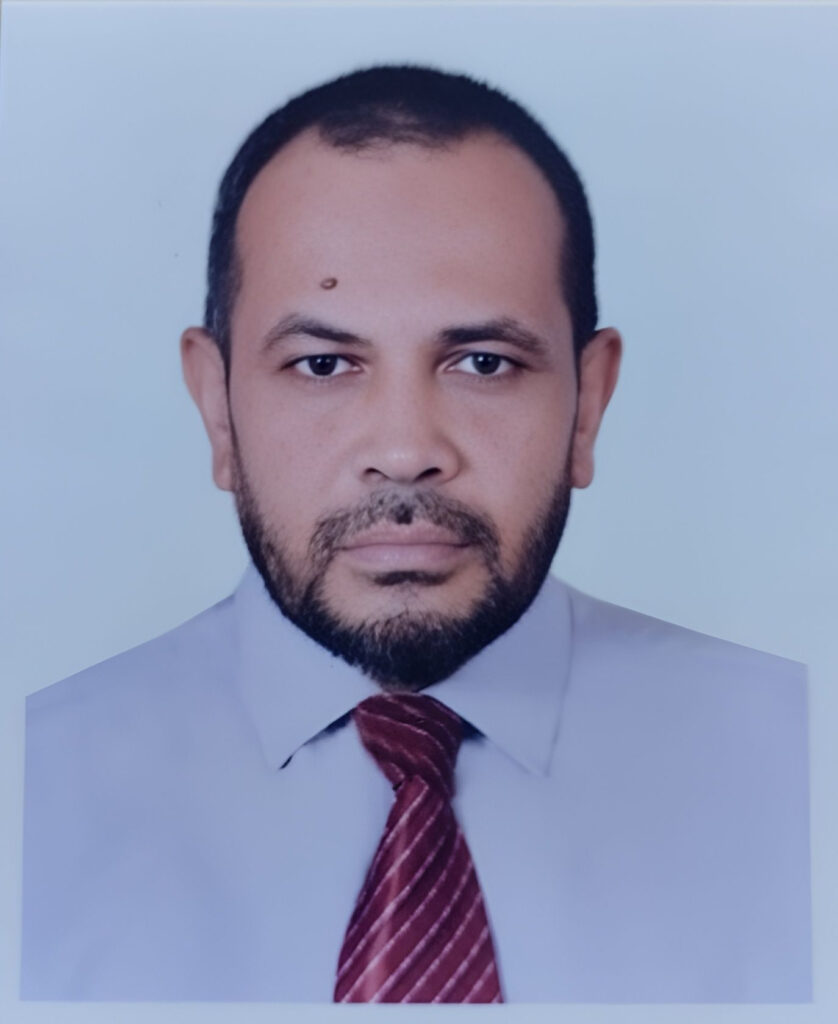 Governing Board Member | Bangladesh Nature Foundation (BNF)
Md. Mourshed Alam Siddique is a development and environmental management professional with more than two decades of experience in community development, forest conservation, climate resilience, sustainable livelihoods, participatory planning, and field-level project management. He currently serves as a Governing Board Member of the Bangladesh Nature Foundation (BNF), contributing his extensive field-based experience to the Foundation’s organizational direction and nature- and community-focused programmes. His professional career has involved long-term engagement with rural and vulnerable communities, environmental sustainability, participatory development, afforestation and reforestation, climate change adaptation, livelihood development, value-chain strengthening, and organizational capacity development. Through his work with PROSHIKA, Arannayk Foundation, YPSA, and other development initiatives, he has developed substantial practical expertise in translating environmental and development objectives into community-level actions.
Academic Qualifications
Md. Mourshed Alam Siddique holds a Master’s degree in Economics from the University of Chittagong, completed in 1996, and a Bachelor of Social Science (Honours) degree in Economics from the University of Chittagong, completed in 1995. His academic background in economics has complemented his extensive professional experience in livelihood development, community organization, socio-economic assessment, environmental sustainability, and development programme management.
Professional Experience
His professional career spans more than two decades of progressively responsible positions in development, environmental conservation, community mobilization, logistics, and project coordination. He served PROSHIKA as Zonal Coordinator from July 1999 to November 2013, working across Satkania, Lohagara, Banshkhali, Chandanaish, Anwara, and Bandarban. His responsibilities included organizing disadvantaged households, identifying livelihood interventions, facilitating cash and input support, monitoring programme activities, preparing periodic plans and reviews, and coordinating with government and local government institutions to support sustainable development outcomes.
He subsequently served as Site Coordinator under the Climate Resilient Participatory Afforestation and Reforestation Project (CRPARP), implemented by YPSA with support from the Arannayk Foundation and the Bangladesh Climate Change Resilience Fund and managed by the World Bank. From December 2013 to February 2018, he worked in Cox’s Bazar Sadar, Ramu, and Moheshkhali, contributing to site-level administration, socio-economic surveys, community organization, livelihood development, climate resilience, environmental restoration, homestead tree planting, and community-based management.
From March 2018 to June 2023, he served as Field Coordinator with the Arannayk Foundation on the FAO-supported project on landslide prevention, nursery supply chains, and integrated homestead farming in Cox’s Bazar Sadar, Ramu, Ukhia, and Teknaf. He was responsible for field coordination, staff supervision, stakeholder communication, monitoring, reporting, documentation, and coordination with government agencies, development partners, community leaders, NGOs, and community-based organizations. More recently, from August 2022 to December 2024, he worked as Logistic Specialist at Proshika Manobik Unnayan Kendra under an FAO-supported urban gardening initiative in Dhaka North City Corporation, Dhaka South City Corporation, Narayanganj, and Gazipur.
Research and Development Contributions
His professional experience includes substantial contributions to socio-economic surveys, participatory rural appraisal, social mapping, community needs assessment, livelihood analysis, environmental sustainability, and community-based development planning. He has applied participatory approaches to identify local priorities, develop practical interventions, strengthen community participation, and support environmentally sustainable livelihood systems. His experience also includes GPS-based field information collection, database development, documentation, and preparation of project plans, progress reports, completion reports, publications, and success stories.
Forest Conservation and Climate Resilience Experience
His work under participatory afforestation and reforestation programmes has provided extensive practical experience in forest conservation, environmental restoration, climate resilience, and community-based natural resource management. He has contributed to initiatives involving homestead tree planting, quality planting materials, nursery development, landslide prevention, and environmentally resilient livelihood systems. His experience in Cox’s Bazar and other environmentally vulnerable areas has provided a strong understanding of the relationship between ecosystem protection, climate-related risks, community resilience, and local livelihoods.
Community Development and Sustainable Livelihoods
A major component of his professional career has been the development of sustainable livelihood opportunities for poor and vulnerable communities. He has worked on integrated homestead farming, alternative livelihood development, entrepreneurship, pro-poor value chains, service-provider linkages, and market-oriented livelihood systems. His community development experience emphasizes participatory decision-making, local ownership, capacity development, and practical economic opportunities that can contribute to improved household resilience while maintaining environmental sustainability.
Project Management and Field Coordination
He has extensive experience in field-level project implementation and coordination, including staff supervision, work planning, logistics management, stakeholder coordination, monitoring, documentation, and administrative and financial record management. His work has involved coordination with government and local government institutions, international development organizations, NGOs, community-based organizations, development partners, and local communities. His logistics experience includes strategic input distribution planning, inventory database management, cost analysis, procurement-related planning, and coordination of training and workshop arrangements.
Professional Training and Capacity Development
His professional development includes specialized training in nursery layout and mother tree orchard establishment, climate change adaptation, entrepreneurship and value-chain development, pro-poor value chains, project cycle management, integrated homestead farming, organizational development and management, participatory rural appraisal, gender and women’s empowerment, programme management, and participatory training of trainers. These training experiences have strengthened his capacity to integrate community participation, environmental sustainability, livelihood development, and organizational management within development programmes.
Leadership and Organizational Development
Throughout his career, he has demonstrated experience in organizational coordination, team supervision, stakeholder relationship management, field-level decision-making, and institutional capacity development. His professional background combines economic education with extensive practical experience in development and environmental programmes, enabling him to contribute both strategic and operational perspectives to organizations working at the intersection of conservation, climate resilience, sustainable livelihoods, and community development.
Role at Bangladesh Nature Foundation
As a Governing Board Member of the Bangladesh Nature Foundation, Md. Mourshed Alam Siddique contributes to the Foundation’s organizational governance and development with his extensive experience in community-based environmental programmes, forest conservation, climate resilience, and sustainable livelihoods. His field experience provides practical perspectives for the planning and implementation of programmes that connect biodiversity and ecosystem conservation with the needs and resilience of local communities.
Professional Contribution to BNF
His contribution to BNF is particularly relevant to the Foundation’s community-oriented conservation and environmental development activities. He brings practical knowledge of participatory approaches, community organization, sustainable livelihood development, afforestation and reforestation, nursery management, climate adaptation, environmental resilience, and stakeholder coordination. His experience in managing field operations and working with communities, government institutions, development partners, NGOs, and local organizations can support BNF in strengthening field implementation, community engagement, programme monitoring, and sustainable development initiatives.
-
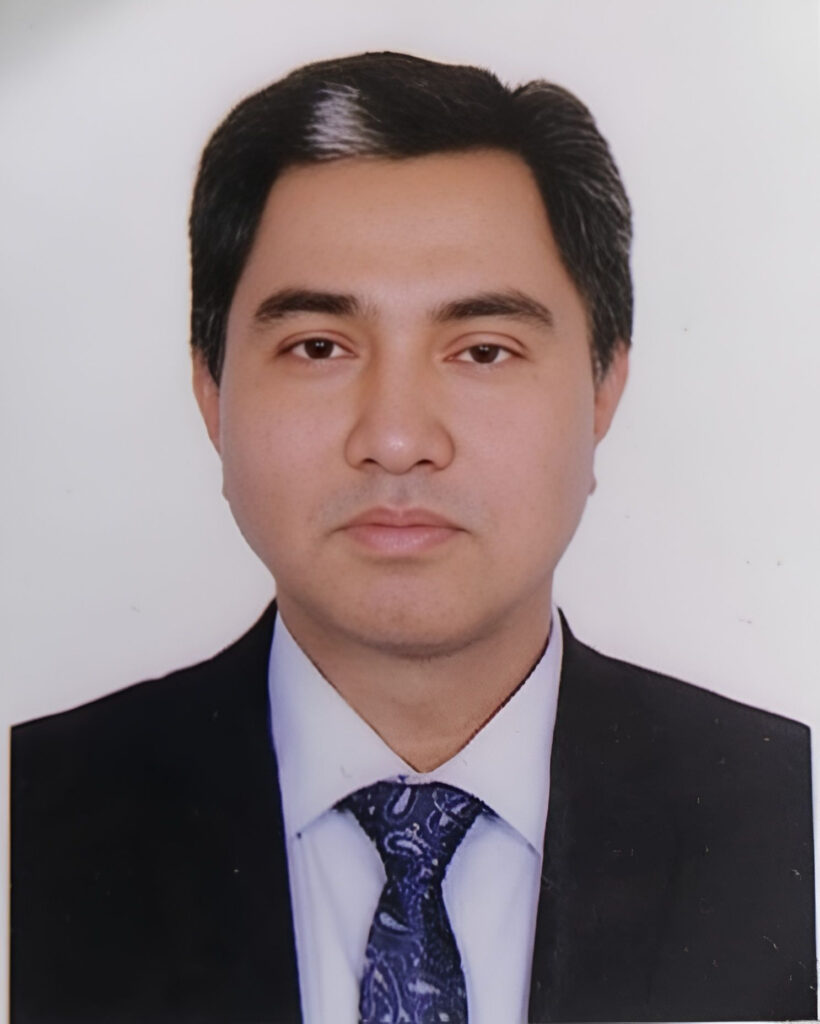
Governing Board Member | Bangladesh Nature Foundation (BNF)
Aktar Kamal is a senior banking professional and Governing Board Member of the Bangladesh Nature Foundation (BNF), with more than 24 years of professional experience at Al-Arafah Islami Bank PLC. He currently serves as Senior Executive Vice President in the International Banking Wing at the Bank’s Head Office. Having joined the bank as a Management Trainee Officer, he has developed extensive expertise in international banking operations, foreign trade, overseas banking, remittance, compliance, internal control, institutional monitoring, and senior-level management. His professional background provides BNF with valuable expertise in governance, organizational accountability, financial oversight, compliance, risk management, and institutional development.
Academic Qualifications
Aktar Kamal holds a Bachelor of Social Science (BSS) Honours and a Master of Social Science (MSS) in Public Administration from the University of Chittagong. His academic background provides a strong foundation in public administration, organizational management, institutional governance, policy implementation, and administrative systems. Combined with his extensive banking career, this academic training supports his contribution to organizational planning, governance, and responsible institutional management.
Professional Experience
Aktar Kamal has spent more than 24 years at Al-Arafah Islami Bank PLC, progressing from Management Trainee Officer to Senior Executive Vice President. In his current role in the International Banking Wing, he leads, monitors, and supervises the Foreign Trade Operation Division, Foreign Trade Processing Division, Overseas Banking Division, Foreign Remittance Division, and Overseas Banking Unit. His responsibilities include operational supervision, institutional reporting, regulatory compliance, coordination with senior management, and oversight of international banking activities. He also maintains reporting and coordination responsibilities with the Bank’s Board, Board Audit Committee, and Managing Director.
Leadership, Governance and Compliance Expertise
A major component of Aktar Kamal’s professional responsibility involves strengthening organizational control, compliance, and accountability. He follows up and supervises compliance with applicable laws and regulations and monitors activities under key functions of the Internal Control and Compliance Wing, including Internal Audit and Inspection, Monitoring, and Compliance. His experience in developing a control and compliance culture, combined with senior-level management responsibilities, provides relevant expertise for institutional governance, internal oversight, risk management, and organizational accountability.
International Banking and Financial Expertise
Through his long-standing career in international banking, Aktar Kamal has developed specialized knowledge of foreign trade operations, trade processing, overseas banking, foreign remittance, and international banking units. His professional responsibilities require effective management of complex operational processes, regulatory requirements, reporting systems, and institutional controls. This experience provides a practical understanding of financial administration, operational risk, compliance systems, and responsible resource management that is relevant to the institutional development of BNF.
Professional Training and International Exposure
Aktar Kamal has participated in professional training, workshops, and international programmes covering international trade, banking management, trade facilitation, financial statement analysis, leadership, team building, negotiation, and institutional management. His professional exposure includes the ICC Banking Commission Annual Meeting, the International Chamber of Commerce Penang Trade Summit in Malaysia, Citi Bank NA Asian Hub in Malaysia, and programmes relating to ICC publications and guidelines for trade facilitation. These experiences have strengthened his understanding of international professional standards, financial systems, trade practices, and organizational leadership.
Leadership and Organizational Development Aktar Kamal has extensive experience in managing multidisciplinary teams, supervising multiple operational divisions, addressing complex organizational issues, and achieving both immediate and long-term institutional objectives. His professional approach emphasizes teamwork, discipline, communication, training, motivation, change management, and effective decision-making. As a Governing Board Member of BNF, these competencies complement the Foundation’s scientific and conservation expertise by contributing a strong management and governance perspective to its institutional development. Role at Bangladesh Nature Foundation
Aktar Kamal serves as a Governing Board Member of the Bangladesh Nature Foundation, contributing his professional experience in banking, governance, compliance, financial oversight, organizational management, and institutional administration to the Foundation’s activities. As a member of the Governing Board, he participates in institutional oversight and provides management-oriented perspectives on organizational systems, accountability, financial discipline, compliance, and responsible administration. His experience working with senior management, board-level structures, audit functions, and compliance units supports BNF’s efforts to maintain sound governance and effective organizational systems.
Professional Contribution to BNF
Aktar Kamal contributes to BNF primarily through his expertise in institutional governance, financial-sector management, internal control, compliance, risk oversight, and organizational development. His experience can support the Foundation in strengthening financial and administrative procedures, internal monitoring, reporting mechanisms, compliance practices, and institutional accountability. His knowledge of governance and control systems is particularly relevant to maintaining transparent and responsible management of organizational resources. In addition, his leadership, communication, negotiation, team-building, and problem-solving experience can contribute to BNF’s institutional partnerships, organizational coordination, and long-term development.
-

Executive Director | Bangladesh Nature Foundation
Dr. Abu Hena Mustafa Kamal is a marine scientist, academic, researcher, and environmental professional with more than two decades of experience in higher education, research, marine and coastal ecology, fisheries, aquaculture, biodiversity, and environmental management. He has extensive experience in teaching and postgraduate research supervision and has contributed to research on marine and coastal ecosystems, seagrass, mangroves, estuaries, blue carbon, climate change, sea-level rise, and sustainable coastal resource management.
Academic and Professional Qualifications
Dr. Abu Hena holds a PhD in Aquatic Biology (Aquaculture) from Universiti Putra Malaysia, with research focusing on mariculture pond ecology, environmental quality, and shrimp production. He also holds an MS in Environmental Physiology with specialization in seagrass ecology and biology from Universiti Putra Malaysia, an MSc in Marine Sciences (Ecology) from the University of Chittagong, and a BSc (Hons) in Marine Sciences from the University of Chittagong.
Professional Experience
He has served in academic positions at Universiti Malaysia Terengganu, Universiti Putra Malaysia, and the University of Chittagong, including Associate Professor, Senior Lecturer/Assistant Professor, and Lecturer. His professional responsibilities have included university teaching, research, postgraduate supervision, academic administration, research project management, scientific consultancy, and environmental assessment.
Areas of Expertise
His principal areas of expertise include marine biology and ecology, coastal and estuarine ecosystems, fisheries and aquaculture, marine biodiversity, seagrass and mangrove ecosystems, aquatic ecology, ecosystem services, climate change, sea-level rise, blue carbon, coastal resource management, and environmental sustainability.
Research and Scientific Contributions
Dr. Abu Hena has led and contributed to multidisciplinary research projects supported by national and international funding agencies. His research has addressed coastal and marine ecosystem assessment, mangrove–seagrass systems, fisheries resources, ecological productivity, climate-change impacts, biodiversity, and sustainable coastal resource use. He has published more than 110 peer-reviewed scientific papers and has contributed to international scientific networks and research initiatives.
Teaching, Supervision and Capacity Development
Throughout his academic career, he has taught undergraduate and postgraduate courses in marine biology, ecology, fisheries, aquaculture, aquatic botany, biodiversity and conservation, coastal processes, water-quality management, and sustainable fisheries and livelihoods. He has supervised and examined numerous undergraduate, MSc, and PhD researchers and has contributed to academic and professional capacity development.
Conservation and Environmental Engagement
Dr. Abu Hena has been actively involved in marine and coastal conservation, environmental awareness, and community-oriented activities. His work has included coastal and mangrove fishery management, seagrass conservation, marine biodiversity assessment, climate-change awareness, ecosystem research, and engagement with coastal communities. He has also collaborated with national and international organizations on environmental and conservation-related initiatives.
Professional and International Engagement
He has participated in and contributed to numerous international conferences, workshops, research programs, scientific reviews, and professional networks. He is a member of the IUCN Species Survival Commission and has maintained professional collaborations with universities and research institutions in Bangladesh, Malaysia, Japan, Thailand, the Philippines, India, Vietnam, Saudi Arabia, and other countries.
Leadership and Management
Dr. Abu Hena has held a range of academic and administrative responsibilities, including laboratory and program coordination, acting departmental and institutional leadership roles, academic examination and evaluation, research proposal assessment, curriculum-related activities, and scientific event coordination. These experiences support his role in providing strategic, scientific, and organizational leadership to Bangladesh Nature Foundation.
Role at Bangladesh Nature Foundation
As Executive Director of the Bangladesh Nature Foundation, Dr. Abu Hena provides scientific and strategic leadership for the Foundation’s work in biodiversity conservation, ecosystem protection, sustainable natural-resource management, environmental education, climate resilience, and community-centered conservation. His academic and research experience provides a strong scientific foundation for developing evidence-based conservation programs and strengthening collaboration among researchers, communities, institutions, and development partners.
Professional Recognition
His academic and professional contributions have been recognized through research, service, conference, and professional awards and grants, including the Best Service Award from Universiti Malaysia Terengganu and recognition through research and innovation programs at Universiti Putra Malaysia. He has also received international travel and research support from organizations and programs associated with climate change, marine science, seagrass conservation, coastal management, and environmental research.
-
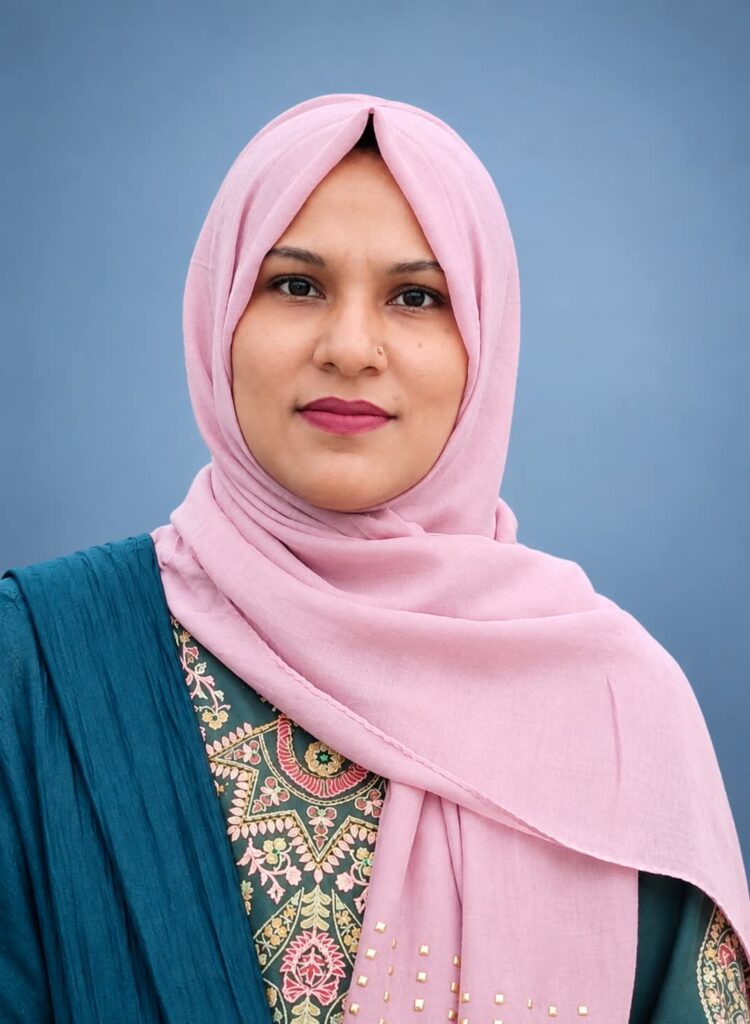
Governing Board Member | Bangladesh Nature Foundation (BNF)
Romena Akter Rifaj serves as a GB member of the Bangladesh Nature Foundation (BNF), contributing to the Foundation’s educational and social activities. Her professional experience in educational activities, project organization, and content development provides valuable support for BNF’s knowledge dissemination and community engagement.
Academic Qualifications
Romena holds a BA in Arts from National University. Her skills cover social behavior, entrepreneurship, project management, and organizational strategy.
Professional, Communication and Organizational Skills
Romena currently works as an educator and student counselor while providing learner support and counseling. She has experience in primary teaching, collaborative documentation, scheduling, and communication. She is experienced in adapting complex information for different audiences and coordinating content and knowledge distribution activities
Community Engagement
She has experience in community-oriented activities, including relief-support initiatives for vulnerable communities and people affected by humanitarian and environmental challenges. Her teaching and learner-support experience has also involved communication and community-focused engagement. These experiences complement BNF’s emphasis on participation, education, and sustainable development.
Role at Bangladesh Nature Foundation
As a GB member of the Bangladesh Nature Foundation, Romea contributes to gender issues, balance, stakeholder management, and community meetings. Her background in education and community engagement supports BNF’s efforts to disseminate knowledge and communicate its conservation and development initiatives effectively.
Professional Contribution to BNF
Romea’s combination of education, teaching and training expertise, communication skills, and community engagement provides valuable support to the Bangladesh Nature Foundation. Her multidisciplinary knowledge can contribute to organizational communication, educational initiatives, knowledge distribution, community meetings, records, and the improvement of accessible communication materials related to sustainable livelihoods and community development.
-
-